






















Direct Mail
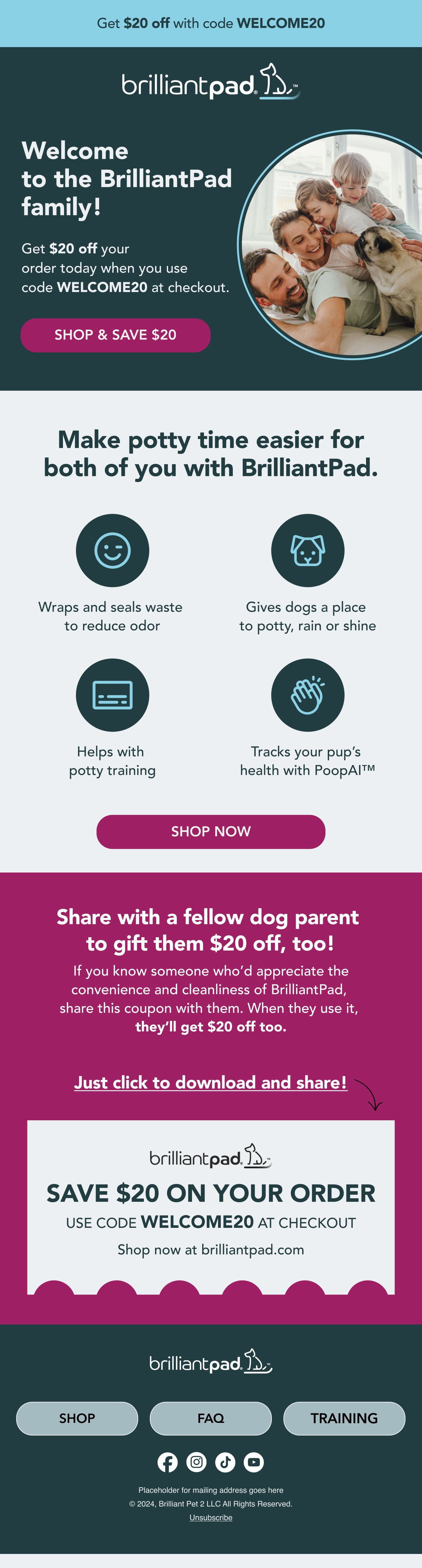
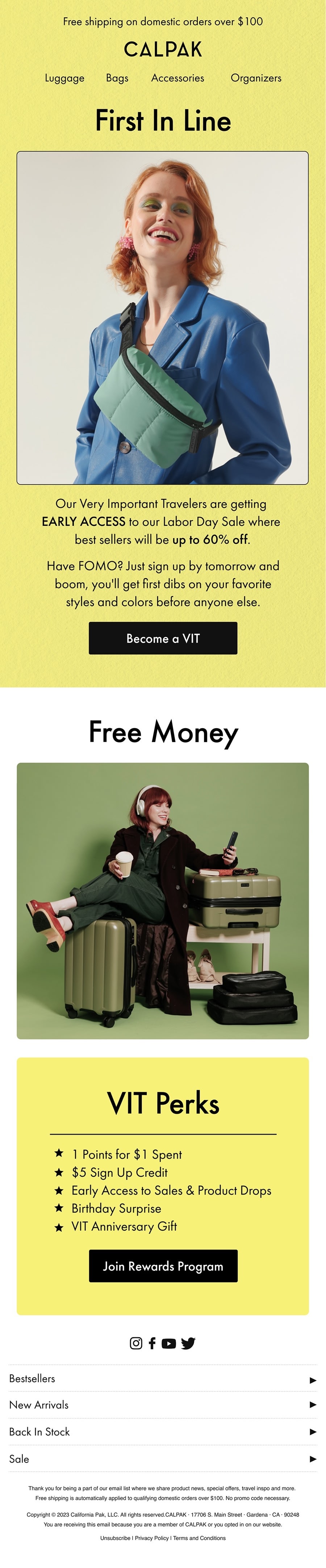
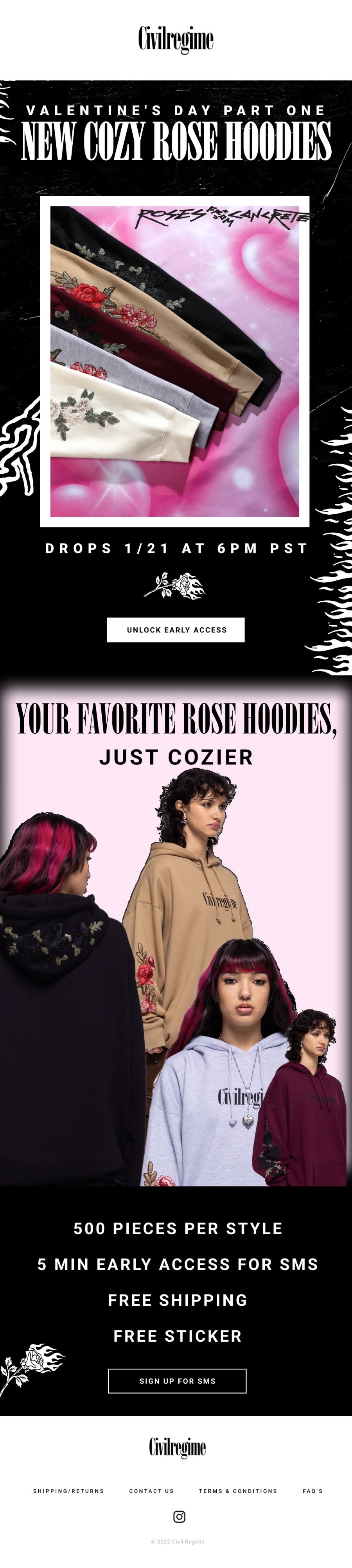
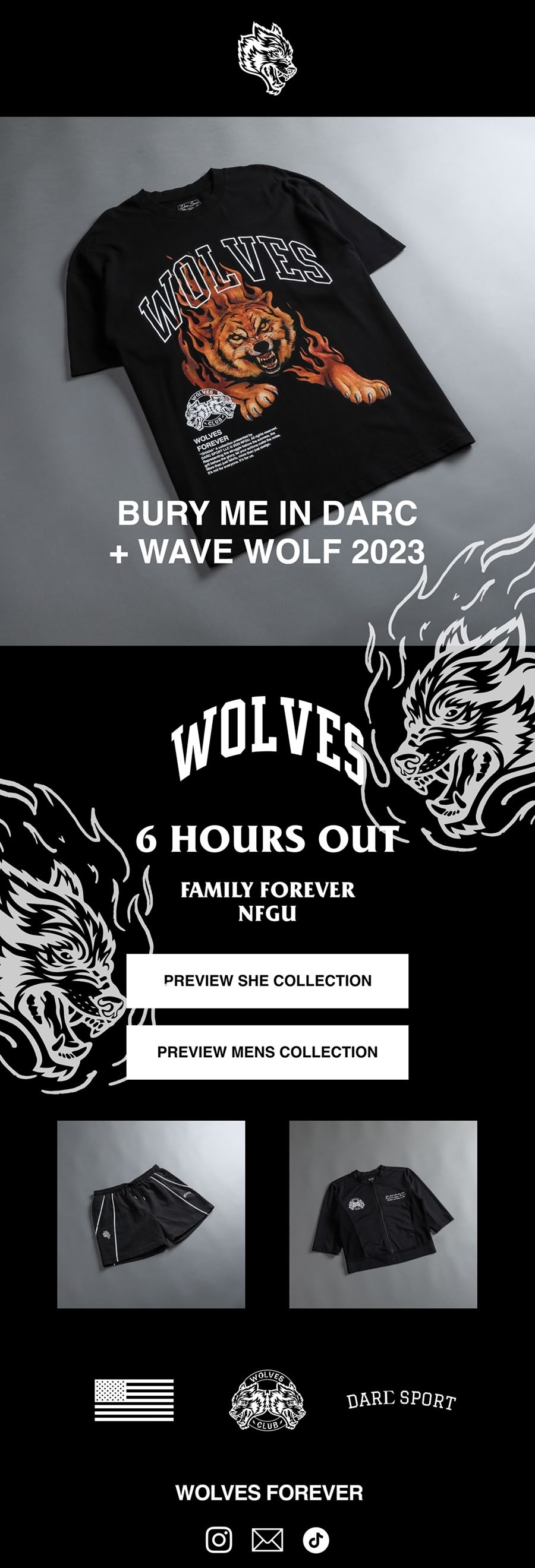
BMO Media runs direct mail as a retention channel for DTC brands: triggered postcards to abandoned carts, lapsed buyers and win-back segments, sequenced with the email and SMS programs we already run so the mailer arrives when the digital channels have gone quiet. Mail is built from the same segments, tracked with unique offer codes and matchback, and reported alongside your other owned channels.
What we do
Why direct mail earns a place in a retention program
Email and SMS reach the customers who still open them. Direct mail reaches the ones who have stopped: the lapsed buyer whose inbox filters you, the cart abandoner who never opted into text, the subscriber who canceled and unsubscribed in the same week. A postcard needs no opt-in beyond a shipping address the customer already gave you, it is not filtered by a carrier or an algorithm, and it sits on a counter for days instead of scrolling past in seconds.
The reason most DTC mail programs disappoint is that they are run as campaigns: a seasonal batch to the whole file, with no segment logic and no link to what the digital channels already said. We run mail the way we run flows. A card fires on a behavior, to a segment the email program has already tried and failed to recover, with an offer the customer has not seen in email or text, and with a code that lets us read the result.
Direct mail that works like a flow, not a mailing
Three triggers carry most of the value. Cart and browse abandonment mail goes to high-value carts the email and SMS flows did not recover inside their window. Lapsed-purchase mail goes to customers past their expected reorder date, with the product they bought last time on the card. Win-back mail goes to the segment every digital channel has given up on, timed to the moment the lifetime value model says they are most likely to return. Each card carries a unique code and a short URL so attribution does not rely on guesswork.
Mail is sequenced, not stacked. A customer who converts from the email never receives the card; a customer who converts from the card is suppressed from the next digital win-back touch. The suppression runs through the same orchestration layer that keeps email and SMS from colliding, so mail becomes a third channel in one program rather than a separate calendar.
What's included
What's included in our direct mail retargeting service
Segment design from your existing customer data: cart value, expected reorder date, lifetime value tier and channel engagement.
Triggered postcard programs: abandoned cart, lapsed purchase, win-back and post-cancel for subscription brands.
Creative and copy built for a six by nine card: one product, one offer, one code, one URL.
Offer design that does not undercut the email and SMS program: mail offers are reserved for segments the digital channels could not recover.
Suppression and sequencing with email and SMS through the shared orchestration layer.
Unique code and matchback attribution, with holdout groups so incremental revenue is measured rather than assumed.
Monthly reporting on response rate, revenue per piece, cost per recovered customer and incremental lift against the holdout.
Where mail fits in the lifecycle we already run
Mail is the last owned touch, not the first. It sits behind the win-back email and SMS sequence, after the digital channels have had their window, and in front of paid retargeting, which costs more per recovered customer and reaches a colder audience. The win-back sequence it follows is laid out in our win-back program playbook. Brands that run mail without that sequence in front of it pay postage to recover customers an email would have recovered for nothing.
Process
How we work: four steps from segment to measured lift
1. Find the segments mail can reach
Week one. We size the customers the digital channels cannot recover: unsubscribed or unengaged buyers with a shipping address, high-value abandoned carts past the flow window, lapsed customers past their reorder date, and canceled subscribers. If the segments are too small to pay for postage, we say so and the program waits.
2. Build the triggers and the suppression
Each trigger is wired to the behavior that fires it and to the suppression that stops it, so mail never lands on a customer the email or SMS already converted.
3. Launch with a holdout
A share of every segment is held back from mail. Incremental revenue is the difference between the mailed group and the holdout, not the total revenue from anyone who happened to buy after receiving a card.
4. Report per piece, monthly
Response rate, revenue per piece, cost per recovered customer and incremental lift against the holdout, alongside the email and SMS figures in the same report, so mail earns its place or loses it on the same terms as every other channel.
Who it's for
Who direct mail retargeting is for
DTC brands with a customer file large enough that the unreachable segments number in the thousands, average order values that carry postage, and a reorder cycle or a subscription where a lapsed customer is worth winning back. It pairs with a loyalty program for brands that want the card to carry a member balance rather than a discount, and with subscription retention for brands that want a physical touch in the post-cancel sequence. Brands with small files, low order values or no repeat-purchase behavior are better served by fixing the email program first, and we will say so.
Platforms
Platforms we run
We trigger mail from the segments that already live in your email platform, run production and postage through the postcard platforms built for Shopify brands, and feed results back into the same reporting as email and SMS. We work inside the mail platform you already use; if you do not have one, the audit recommends the fit for your file size and cadence.
How we measure it
How we measure direct mail performance
Response rate by segment and trigger, revenue per piece, cost per recovered customer, and incremental lift against the holdout group. Recovered customers are tracked into their next orders, because a win-back that produces one order is a discount and a win-back that produces a second lifetime is the point; model the difference with our free CLV calculator.
Frequently asked questions